Meet Rahael
Tasha: Tell us a little about yourself.
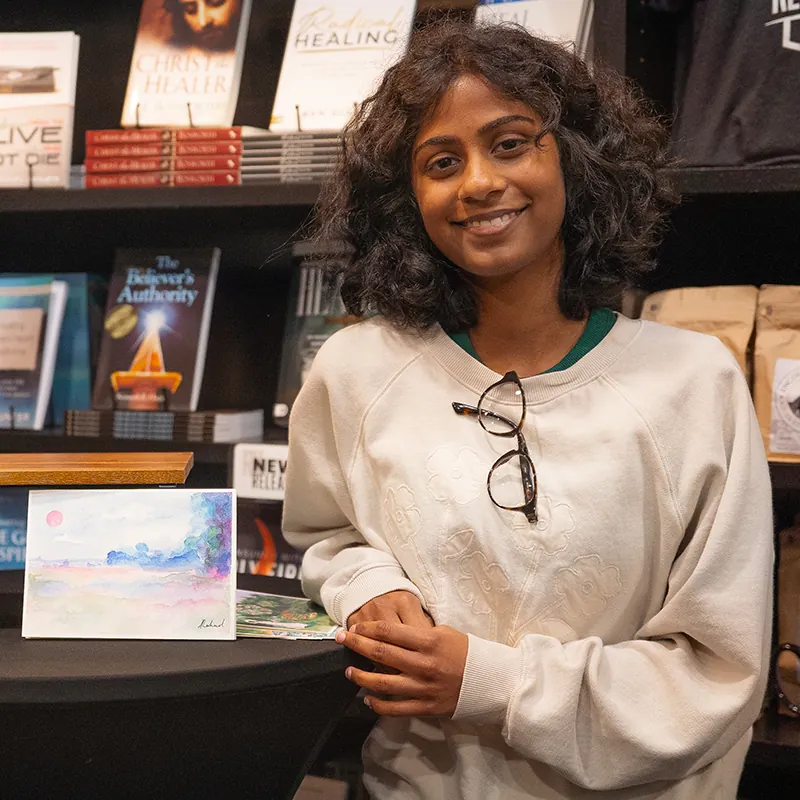
Rahael: My name is Rahael. I was born in India, moved to the UK, and then moved to the U.S. I’ve been living here for almost a decade now.
Tasha: How long have you been painting?
Rahael: Probably since I could pick up a pencil! I feel like everyone starts drawing when they’re a kid, but I just kind of stayed with it.
Tasha: What inspires your artwork today?
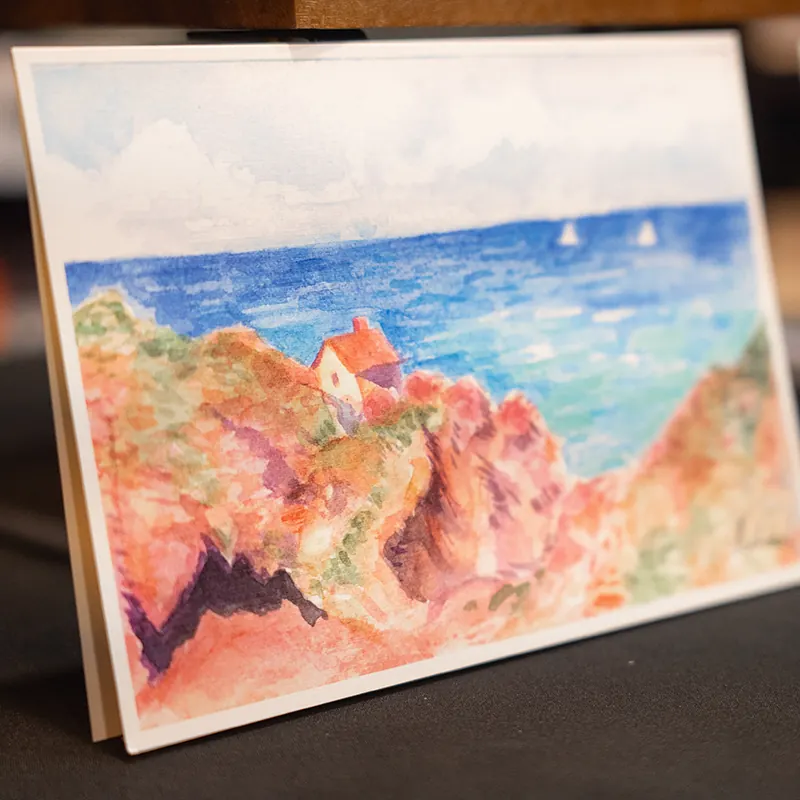
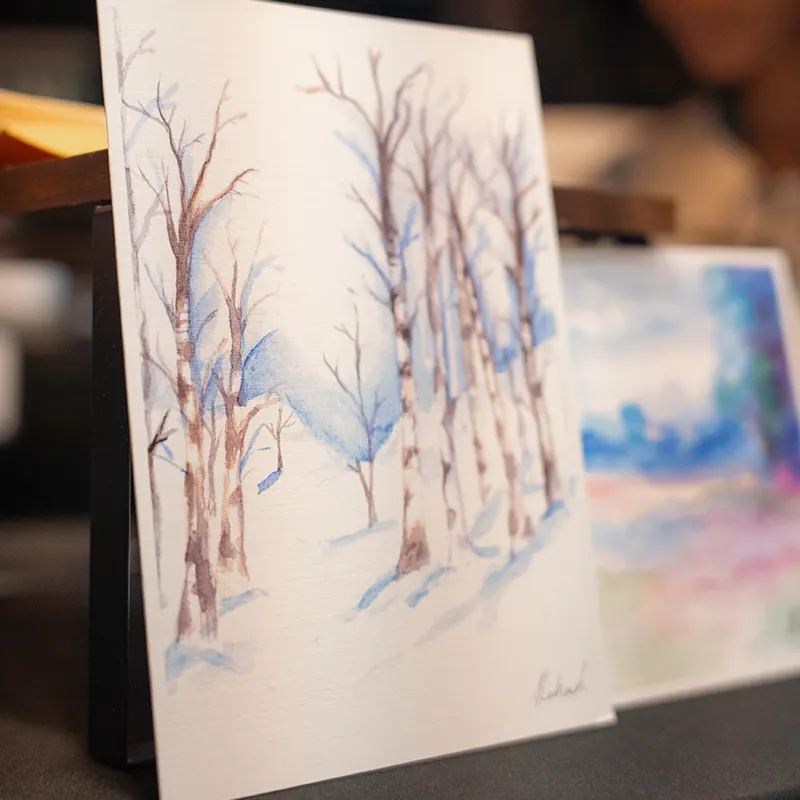
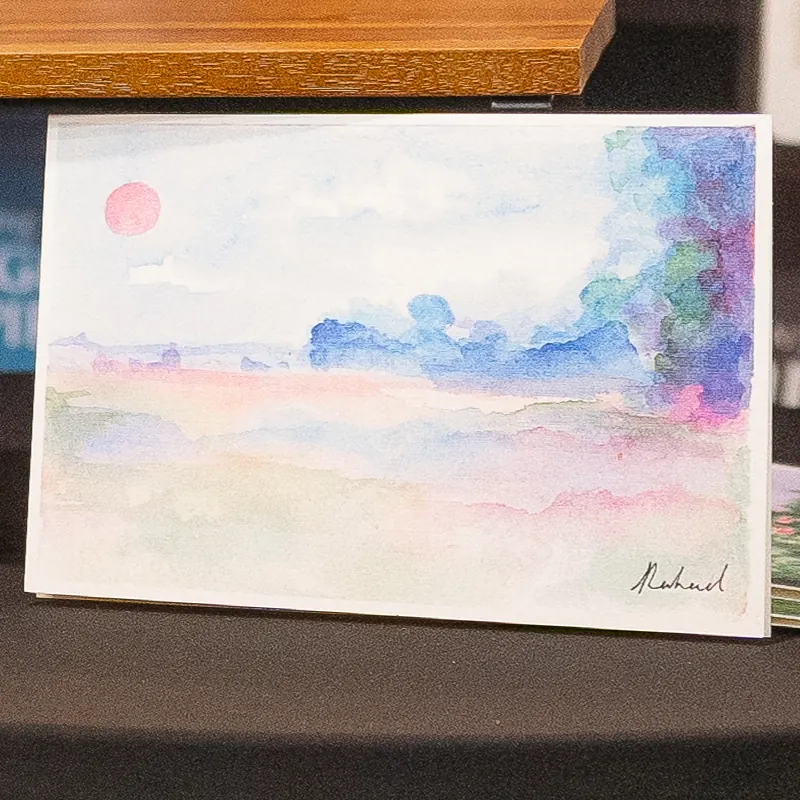
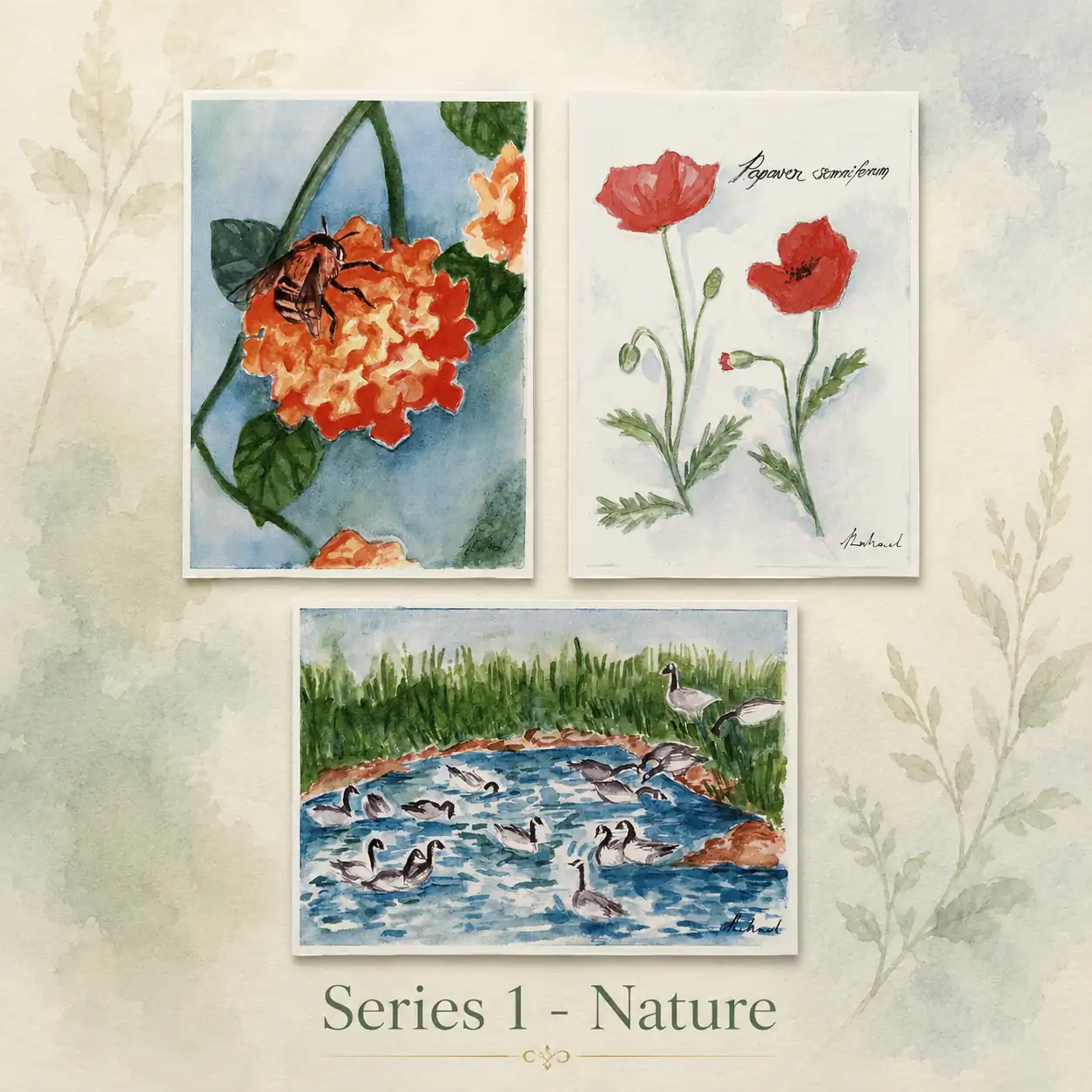
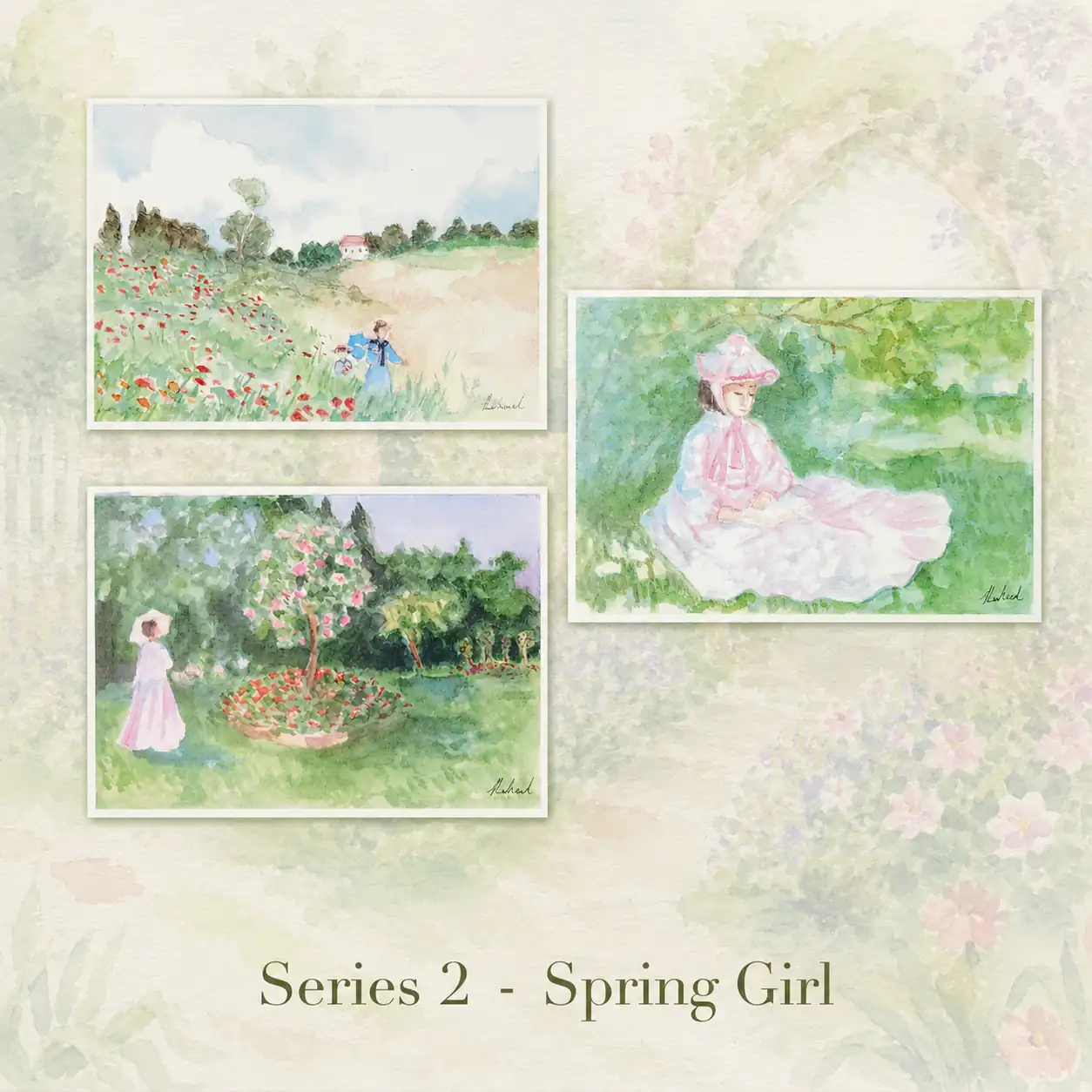
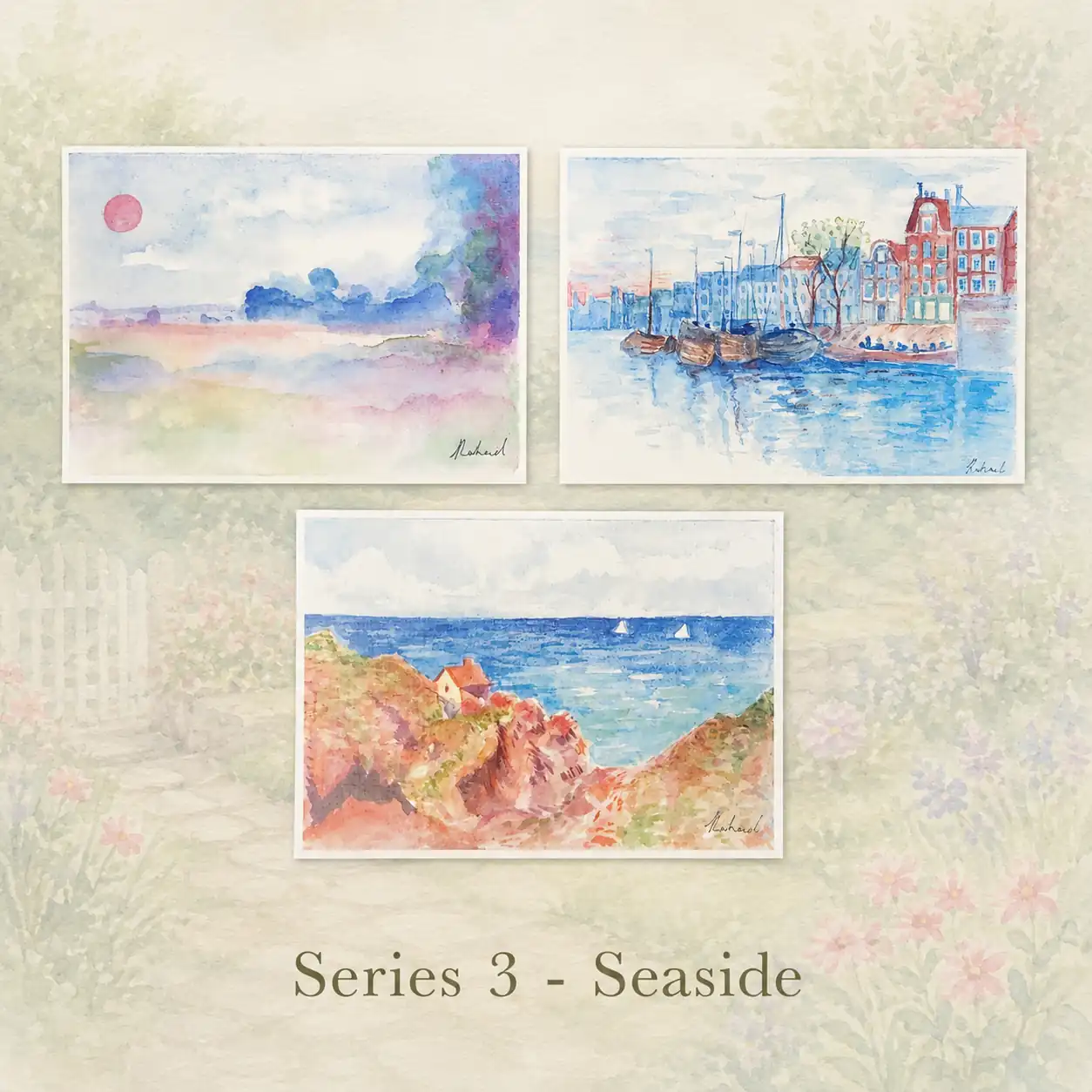
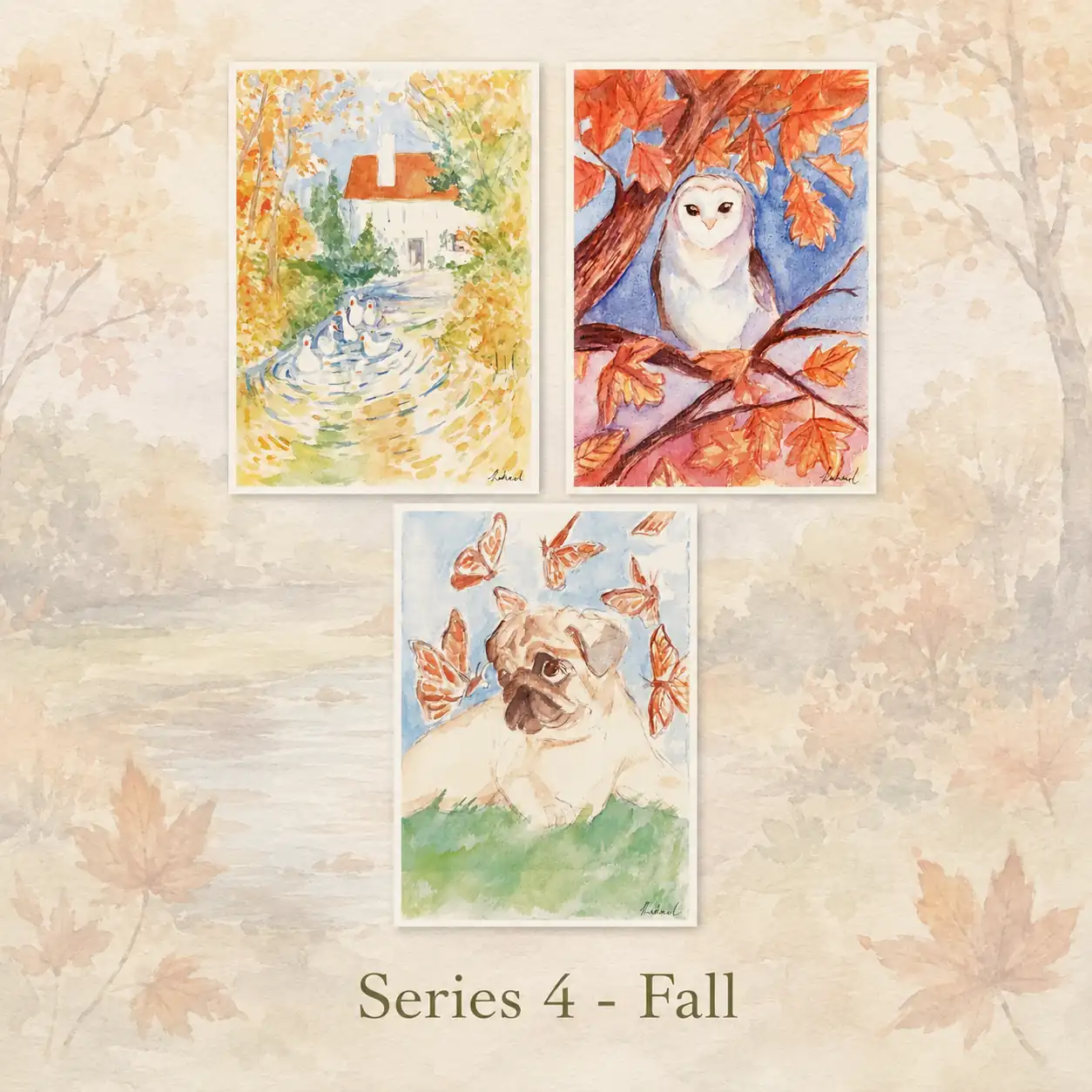
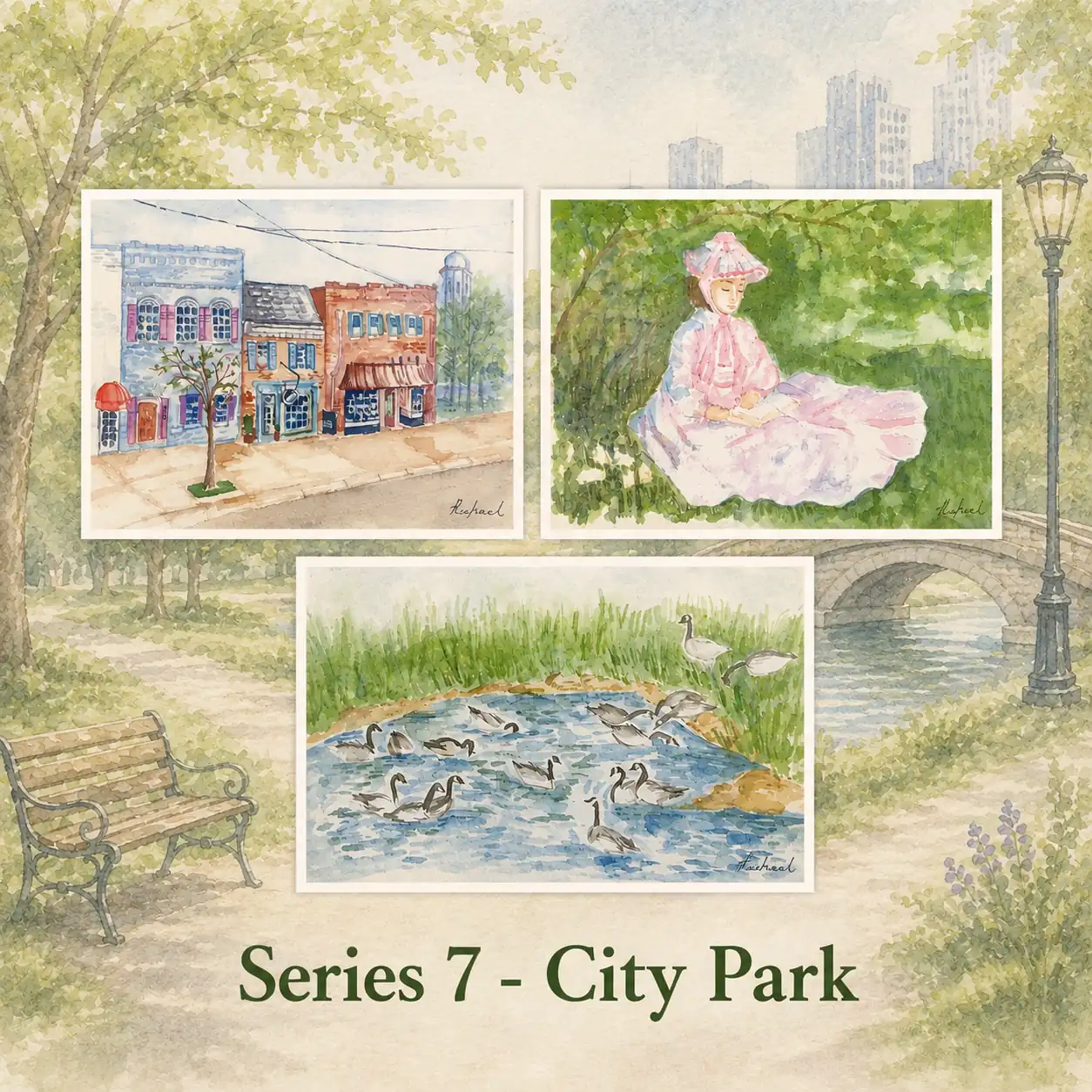
Rahael: I think it’s just the world around me. Moving around a lot, you see a lot and you meet a lot of people. Anything I encounter, I kind of want to capture.
Tasha: Is that why you paint a lot of landscapes?
Rahael: Yes, I think so.
Tasha: Can you tell us a little about the story behind your artwork beyond your travels?
Rahael: I really love stories. The Bible is a book filled with stories and events, and I also love filmmaking. I think there’s something about world-building and immersing yourself in what you’re creating that really interests me.
Tasha: What are you currently doing in your life or ministry?
Rahael: I’m a freshman at UNC Charlotte, studying toward a BFA in Art.
Tasha: Is there a testimony or significant part of your story that you would like to share?
Rahael: I’ve always grown up Christian, and I think there comes a point for a lot of people who grow up Christian when they want their faith to become their own. For me, there was a time when I started asking a lot of questions.
I love asking questions. I think God is a very intellectual God, and that answers can be broken down and explored. For me, there wasn’t one particular moment where everything just clicked. It’s been a road that I continue moving along.
Tasha: What do you hope people experience when they see your artwork?
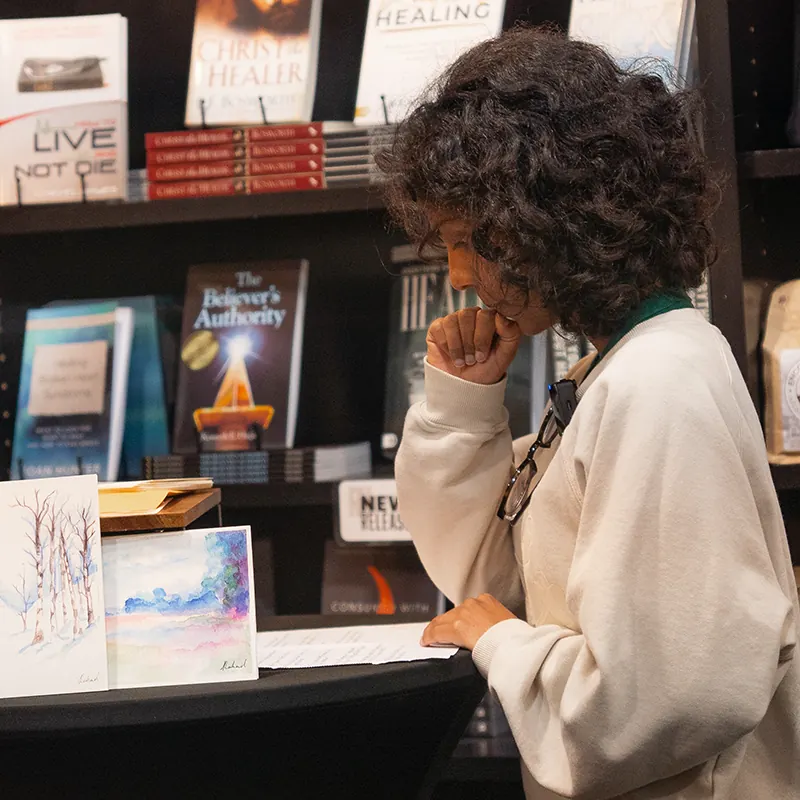
Rahael: I hope they can feel something like what I felt, but also see themselves in the art. Maybe they’ll feel something different from what I felt or imagine themselves within it.
Tasha: Do you have a favorite Bible passage, and how has it shaped your life?
Rahael: I know it’s a very popular one, but I think it’s popular for a reason: Psalm 23.
Probably as an artist, I’ve gravitated toward it because I love the imagery of still waters and green pastures. There’s so much peace in that. I also love that the Psalms are songs because I love music as well.
Tasha: What would you say to someone who has a gift but isn’t sure how God could use it?
Rahael: I think when God speaks to you, you don’t always hear a voice. Sometimes it can sound like your own. I think one way you know you’re in the right place, or that you need to do something, is when you feel a certain kind of peace.
It isn’t something worldly. It’s something that comes with a divine calling, where you feel that peace and you aren’t restless about where you are. You just have that sense of, “This is where I’m supposed to be.”
That’s what I did.